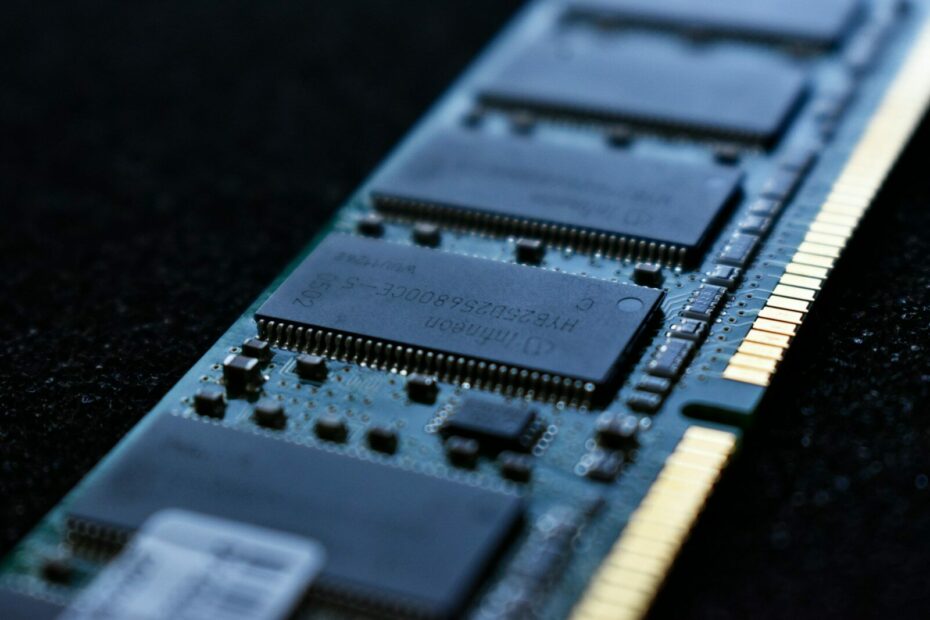
The Register’s latest piece notes that while everyone else is trembling at the sky‑rocketing cost of DRAM and NVMe SSDs, VMware seems oddly impervious—because its newest Cloud Foundation 9 (VCF 9) touts a memory‑tiering gimmick that shuffles data from precious RAM onto similarly pricey NVMe drives. The vendor hammers this as a magic bullet for cutting hardware bills, promising you can buy fewer memory modules for fresh servers or simply swap in flash drives on aging boxes to “increase” memory capacity. Broadcom, VMware’s parent, has even doubled down on the hype.
Of course, this self‑congratulating pitch conveniently ignores that NVMe storage isn’t exactly cheap these days either. VMware itself concedes that the tiering trick won’t help every workload and is outright unsuitable for latency‑sensitive or massive VMs—so the “one‑size‑fits‑all” claim is more marketing fluff than fact.
In the meantime, VMware boasts that its tiering solution outperforms the competing Compute Express Link (CXL) and urges “Virtzilla” customers to consider VCF 9, especially now that AMD and Intel have unleashed new many‑core CPUs that make server consolidation look tempting. Dell says customers are swapping seven legacy boxes for a single new beast, and Intel claims its sixth‑gen Xeons can pack five servers into one chassis.
Sure, those consolidation dreams sound glorious—until you remember that the resulting hyper‑dense servers will hoard a terrifying amount of expensive memory. Fortunately, VMware claims you don’t have to enable tiering on every host in a cluster, so you can dip a toe into the new architecture without fully committing.
Reality check: VCF 9 carries a price tag that often shocks veterans of VMware’s older vSphere line, which the company has quietly retired. Broadcom’s typical response to disgruntled buyers is a blunt “take it or leave it” offer, leaving many to walk away. Some pragmatic IT shops end up running a hybrid mix—keeping a slim VCF 9 footprint for a subset of VMs while moving the rest to a rival hypervisor.
Given the relentless DRAM shortage, the writer predicts more organisations will settle for a modest VCF 9 deployment, while Broadcom’s upcoming earnings report (due Friday) will likely flaunt steadily rising revenue and margins—proof that the market will keep paying for VMware’s expensive memory workarounds, regardless of how thin the actual benefit might be.
Via One vendor doesn’t mind high RAM prices: VMware

If it has a ‘smart’ prefix, it’s a dumb idea. That is all I have to say about that.